Nuclear War, It’s No Joke
Growing up in the 80’s, it was a constant theme, but do today’s generations really grasp the urgency of avoiding nuclear conflict?

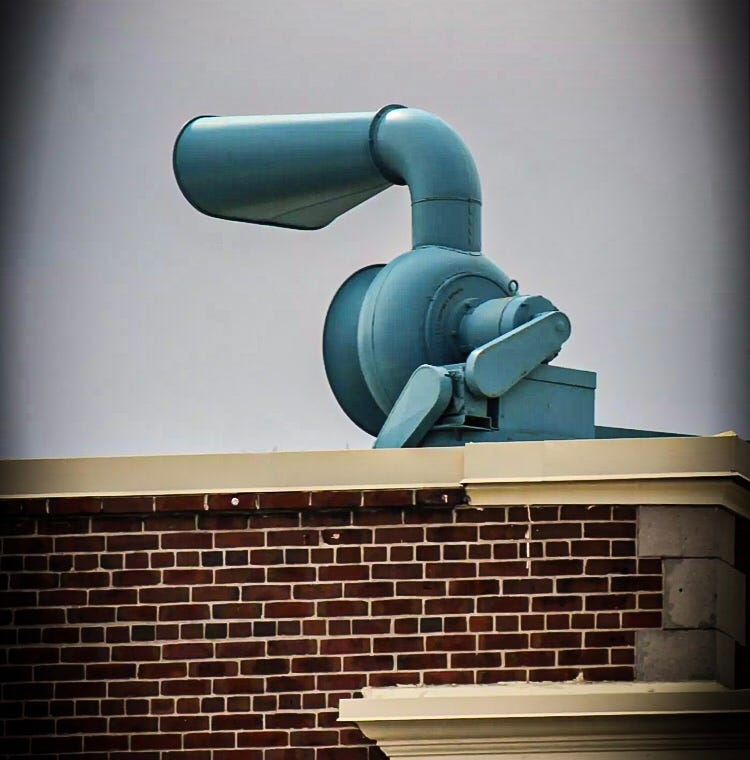
When I was in grade 1, a curious feature on top of the turn of the century school I went to were these odd trumpet shaped things. They were huge, I had absolutely no idea what they were, but I always noticed them during recess in between games of wall-ball and tag.
I’d imagine they must be big speakers that were used to blast music but my friends thought they were cannons from World War 2. One kid expanded they “for sure” were flamethrowers, maybe to protect the school from aliens. Ridiculous to be sure, but hey cut us a little slack, we were in grade 1 and that kid did have an unhealthy fixation with setting things on fire. It was the 80’s after all, we didn’t have iphones and fidget spinners, we had matches and WD-40.
A couple weeks later when my mom picked me up from school, I asked her about them, having been pretty much stumped for some time now.
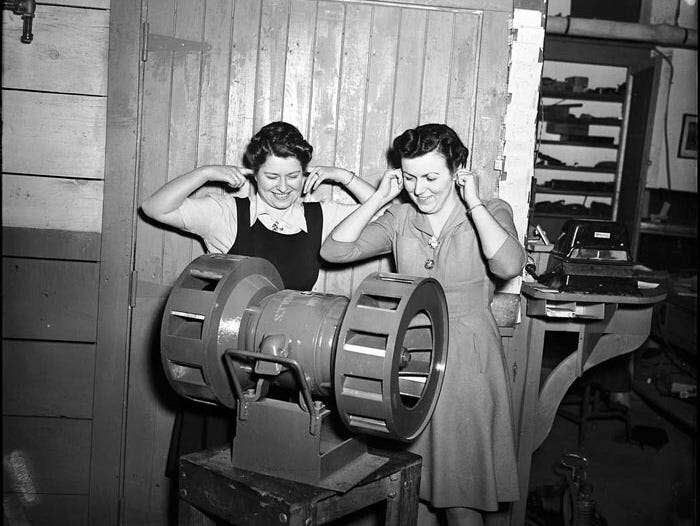
“Those were the air raid sirens” she said “they would sound them off and we’d have to run home from school as fast as we could.”
Of course—as any kid would—I asked “why?”
“Well, they thought Russia and America were going to launch nuclear bombs at each other and we’re right in the middle so… we had to practice what we would do if it happened while we were in school.”
My mind raced thinking how long it would take me to run home, since the drive to school took about fifteen minutes. “I’d never make it” I thought to myself.
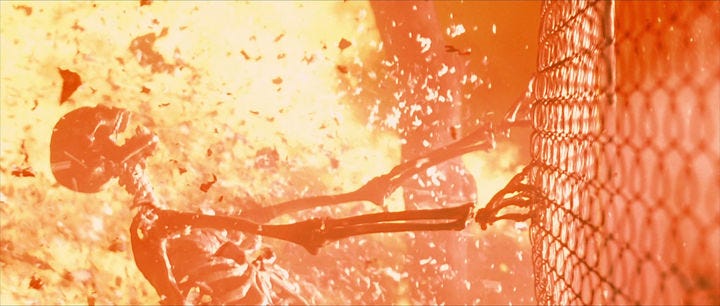
It reminded me of the pictures of mushroom clouds I’d seen in library books and the pictures of rubble strewn streets, soldiers and destroyed cities. A far cry from the world I knew of skateboarding, wall ball and rides home with Mom.
“At first we were supposed to get under our desks and hide from it, like that would do anything…Then we were supposed to run home, but we knew that wasn’t going to do much either. I guess they wanted us to die at home together at least…” she said matter-of-factly. All of a sudden this nuclear thing felt a lot more real.
“Was it scary?”
She described the look of terror on some kids faces, crying as they ran home, because the whole exercise was freaking them out. Some would stop halfway and give up. Others, perhaps with nowhere to go, would go and smoke cigarettes and pot behind the local community centre, enjoying the free recess the air-raid drill gave them during school hours. I guess if you’re gonna go up in flames, you might as well go up in smoke.
But it got me thinking of how being born in the 80’s gives me a different perspective on events in Ukraine and the possibility—presently distant but subject to change—of nuclear war.
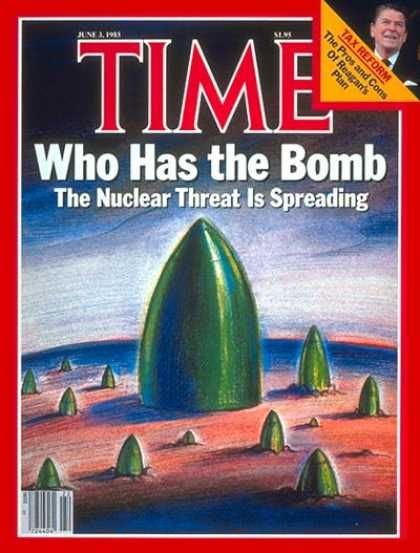
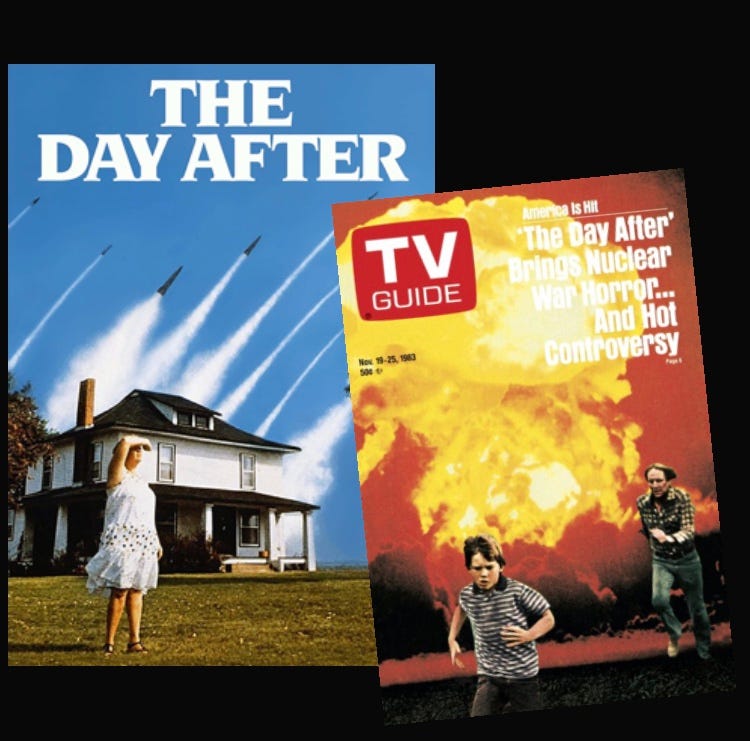
Probably not to the same extent as my parents generation—but still— growing up, nuclear war seemed an ever-present reality. From news reports of new countries “going nuclear”, parody shows like the puppet comedy Spitting Image to made for TV movies like The Day After, the idea of cities around North America exploding in radioactive armageddon was more than just the stuff of prime time drama.
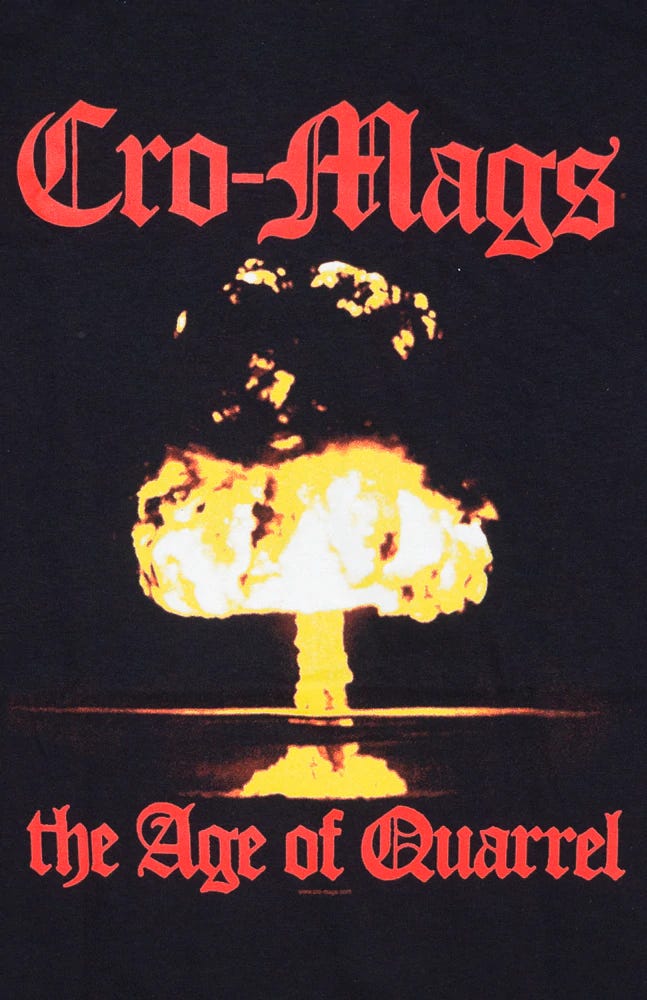
We listened to bands like Nuclear Assault and Cro-Mags, who’s “Age of Quarrel” album featured a big flaming mushroom cloud on the cover. Or the stark and jarring video by Metallica for the song One, that had that dreary, depressing footage from the film Johnny Get Your Gun, with scenes of a quadruple amputee using Morse Code to tell the nurses tending to him “kill me, kill me” while the band sang “hold my breath as I wish for death.” Even as a kid, I got some sense of the brutality of war.
The memory of our grandparents talking about the fighting on the beaches of Europe, the POW camps and the scars of war was something we knew our families had lived. A lot of them had been immigrants who fled Europe during the war, or married soldiers and moved to Canada not unlike many immigrants today.
Cold War era spy shows like Get Smart were in re-runs after school and back then it was the Russians who were the “bad guys” in action movies like James Bond or The Hunt For Red October.
Music videos would feature the famous nuclear test films of houses and cars being blown to bits in grainy black and white footage, and you eventually learn about the bombings of Nagasaki and Hiroshima and hear of concepts like nuclear fallout, nuclear winter and mutants. Godzilla, the famous Japanese film about a massive reptile (the result of exposure to radiation) rampaging through cities (and later an American remake set in New York) would play on late night television. It was campy at times, but always seemingly in the back of people’s minds.
So you wonder if the current generation, more siloed in digital and cultural wormholes than ever, has picked up this inter-generational wariness to nuclear war, and war more generally? Or is it just another disaster alongside Covid and Climate, one of a number of doomsday scenarios of different degrees of probability that fall victim to an ever widening age-gap?
Do the reports of Russia putting their nuclear forces on high alert, or the frequent North Korean tests that fly over Japan register with people anymore as a pretty big deal?
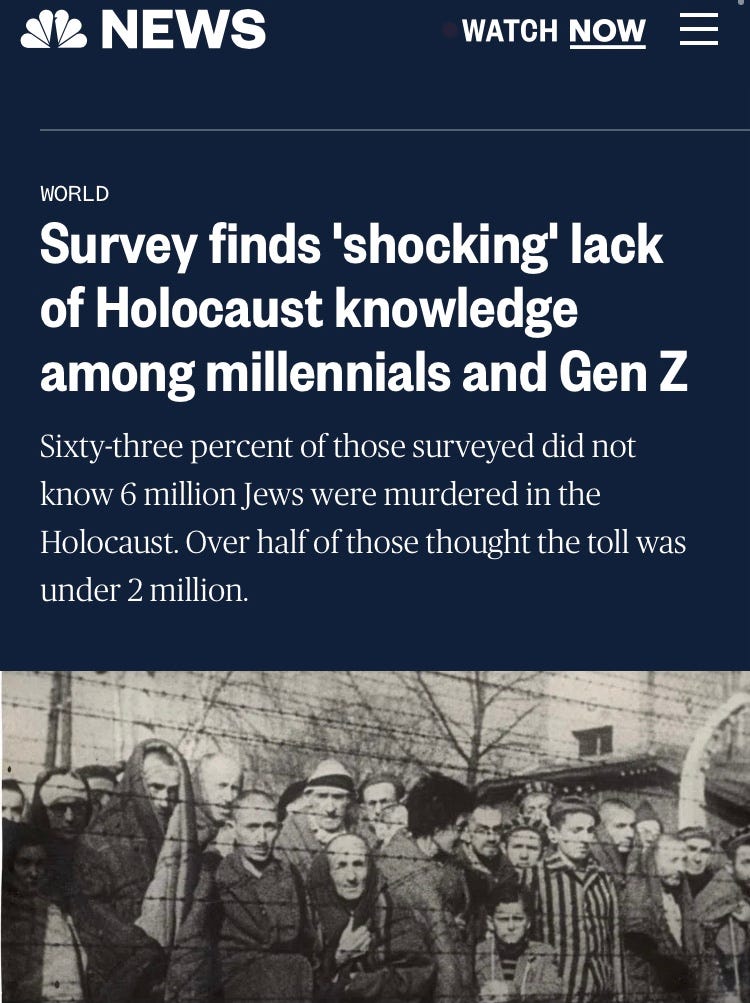
After all, according to some surveys, less than 40% of millennials know about the Holocaust, and this is the generation thats supposed to be more in tune to racial and political issues than any other.
But recent generations have grown up in an environment free from the possibility of the kind of all out war that their parents and grandparents had a direct connection to. It seemed more distant, like something that couldn’t happen here. maybe that’s why people are so shocked by the war in Ukraine, it’s not the kind of war footage people are used to seeing. We’ve grown accustomed to seeing a sanitized version of war, since often we were the ones doing the invading.
That history of my parents and grandparents generation, as it fades into the past and becomes detached from the social fabric, tends to become forgotten.
But as the saying goes: “those who cannot remember the past are doomed to repeat it.”